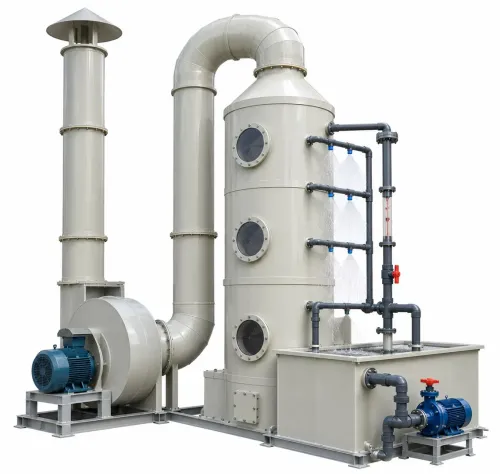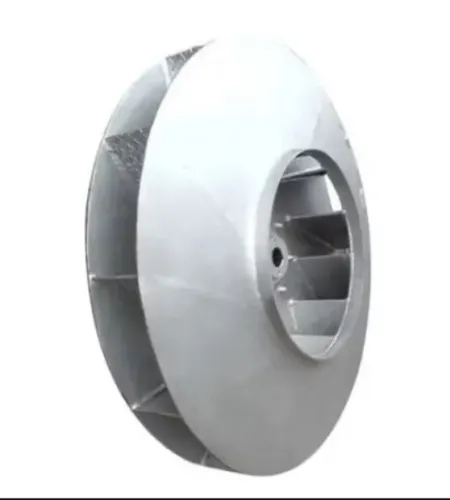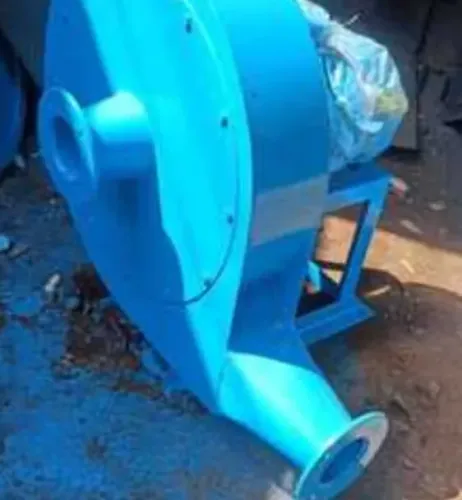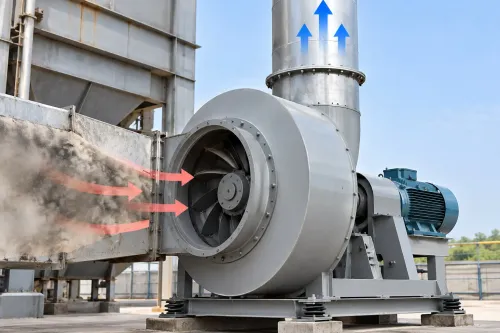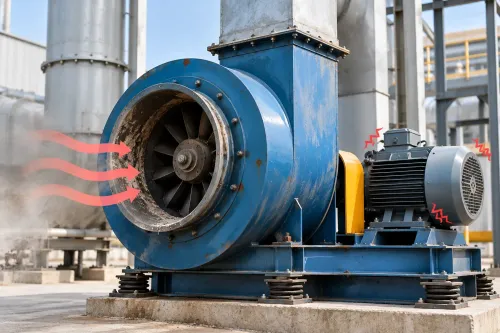
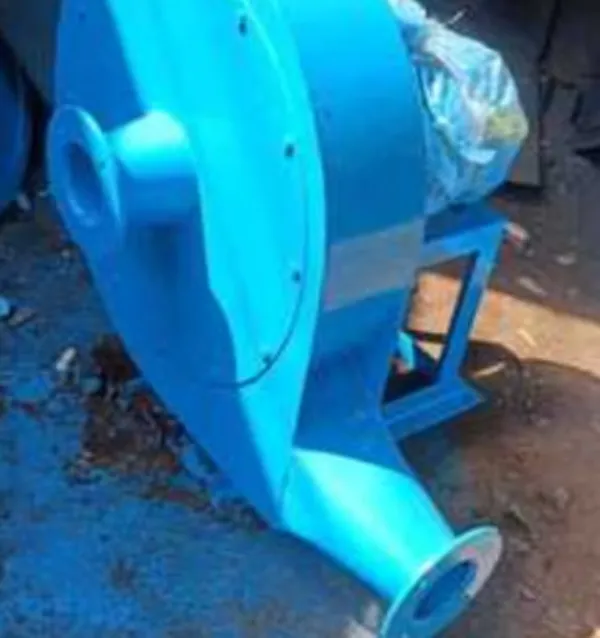
A Force Draft Fan is an important component in many industrial heating and combustion arrangements because it supplies air into the process. When airflow is inadequate or poorly controlled, combustion efficiency, temperature consistency, and process stability may be affected.
For industrial plants in Delhi, selecting the fan according to actual system demand is more reliable than choosing equipment simply by motor horsepower.
Understand the Required Duty
Forced draft applications can vary across boilers, furnaces, ovens, dryers, and other process-heating equipment.
Before selecting a fan, establish:
- Required air volume
- Static pressure
- Operating temperature
- Duty cycle
- Duct configuration
- Process characteristics
- Installation environment
These specifications provide a stronger basis for equipment selection.
Avoid Selecting by Motor Rating Alone
Two fans using similar motor capacities can produce different airflow and pressure characteristics. Impeller design, fan speed, casing geometry, and system resistance influence actual performance.
A motor rating should therefore be treated as one specification among several, not the main selection criterion.
Check the Ducting Arrangement
Long duct runs, bends, dampers, reducers, and other restrictions increase resistance. If these losses are overlooked, the selected fan may not deliver the expected airflow at the process point.
Reviewing the duct layout before procurement can prevent later modifications.
Consider Air Control Requirements
Some processes require relatively stable airflow, while others need adjustment according to operating load. Dampers, control arrangements, or suitable speed-control methods may therefore form part of the system design.
The right control approach depends on the process and fan configuration.
Look at Construction Quality
Industrial fans may operate for extended periods, so casing construction, impeller balance, shaft alignment, bearings, mounting arrangements, and motor selection deserve attention.
For Delhi's manufacturing and process industries, environmental factors such as dust, ambient temperature, and available installation space should also be considered.
Think About Maintenance Before Installation
Maintenance access is frequently overlooked during equipment placement. Adequate space should be available for inspection of bearings, impeller condition, motor connections, and related components.
R K Industries Delhi works with industrial air-moving and process-air equipment where system requirements determine the appropriate fan configuration.
Businesses evaluating a Force Draft Fan can make procurement more effective by providing process data and installation details at the enquiry stage. A specification based on airflow, pressure, temperature, and operating duty provides a clearer foundation for comparing available options.
Keywords