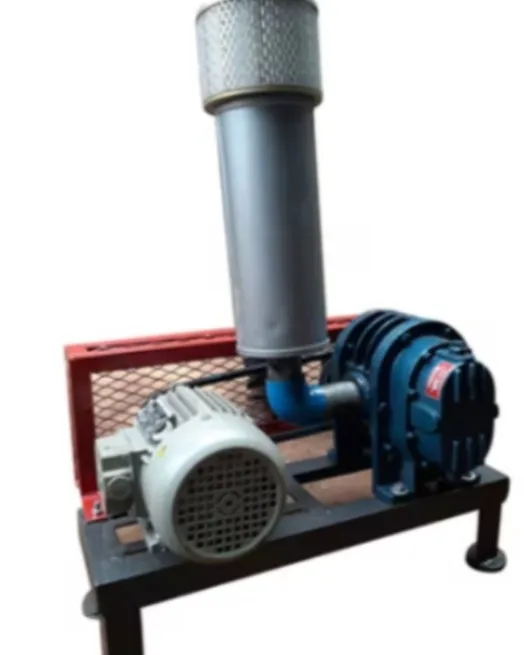
A Twin Lobe Roots Blower is commonly used in industrial processes that require consistent movement of air or gas at defined operating conditions. These blowers are found in applications ranging from wastewater aeration to pneumatic conveying and process-air systems.
Choosing the correct blower requires careful attention to pressure, airflow, operating environment, and duty cycle.
How Does a Twin Lobe Roots Blower Work?
The blower uses two synchronised lobes rotating within a casing. As the lobes rotate, air is trapped and moved from the inlet toward the discharge side.
This positive-displacement operating principle makes the equipment suitable for applications requiring relatively consistent air delivery.
Typical Applications
Twin lobe blowers may be considered for:
- Effluent and sewage treatment aeration
- Pneumatic conveying
- Filter backwashing
- Process-air supply
- Industrial aeration
- Vacuum-related applications
- Gas handling under suitable conditions
The blower specification should correspond with the individual application.
Pressure Requirement Is Critical
Selecting a blower only by airflow capacity can be misleading. The equipment must deliver the required air volume at the intended discharge pressure.
Pipeline length, water depth in aeration applications, filters, valves, bends, and process equipment can all contribute to system resistance.
Noise and Vibration Need Attention
Roots blowers can generate noticeable sound and vibration depending on their size, speed, installation, and operating conditions.
Foundation design, alignment, flexible connections, silencers, and appropriate installation practices can help manage these factors.
Check Air Quality and Temperature
Inlet air conditions can influence blower operation. Dusty air may require suitable filtration, while discharge temperature should be considered when designing downstream piping and equipment.
For industrial facilities in Delhi, ambient conditions and installation location should be included in the evaluation.
Compare Total Operating Requirements
Purchase price is only one part of blower selection. Power consumption, maintenance access, lubrication requirements, replacement components, operating hours, and system efficiency can affect long-term cost.
R K Industries Delhi works with industrial air-handling equipment for different process requirements. Providing accurate airflow, pressure, application, and operating data helps establish an appropriate equipment specification.
When comparing a Twin Lobe Roots Blower, buyers should focus on how the complete blower package fits the process rather than selecting solely by nominal capacity.
Keywords