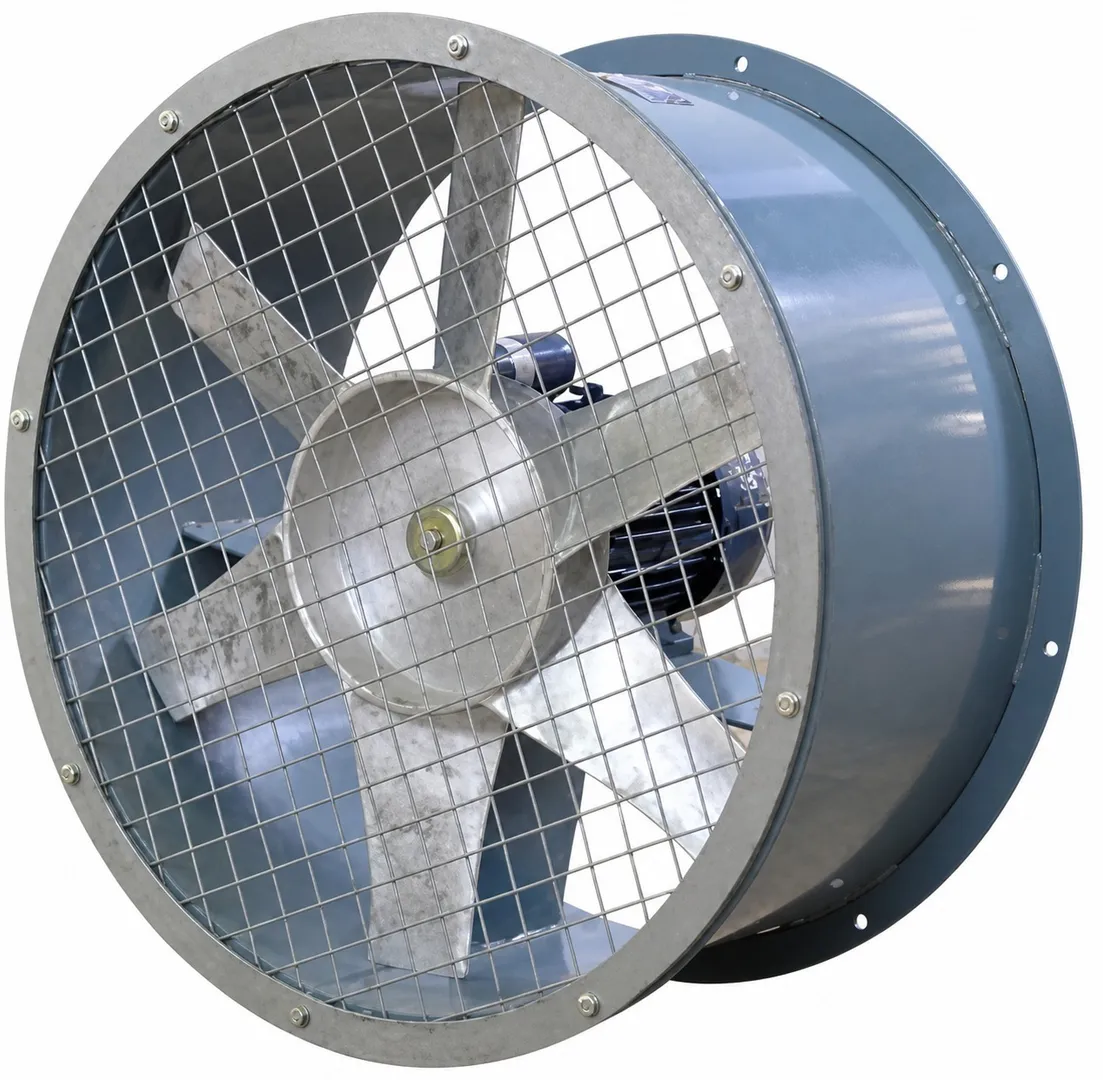
Axial flow fans are widely used where large volumes of air need to be moved through industrial buildings, ventilation systems, process areas, and equipment installations. Choosing the right Axial Flow Fan Manufacturer requires more than comparing fan diameter or motor capacity.
The performance of an axial fan depends on how well its airflow characteristics match the actual application.
How Axial Flow Fans Work
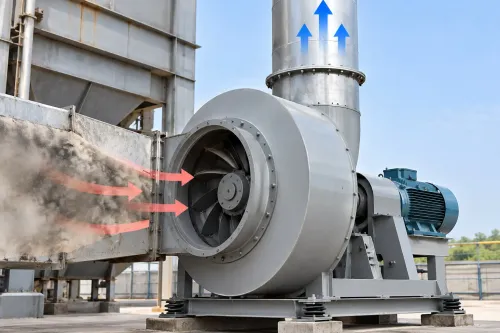
In an axial flow fan, air travels broadly parallel to the fan shaft. This design makes axial fans suitable for applications requiring relatively high airflow with appropriate pressure characteristics.
Common applications include:
- Factory ventilation
- Equipment cooling
- Exhaust arrangements
- Warehouses
- Production areas
- Utility spaces
- Industrial sheds
- Process ventilation systems
The required configuration can vary considerably between these applications.
Start With Airflow Requirements
One of the first specifications to establish is the required airflow. Selecting a fan without calculating or estimating the actual ventilation requirement can result in poor air circulation.
The assessment should consider the size of the space, heat generation, process conditions, air-change requirements, duct resistance where applicable, and the purpose of ventilation.
Check Construction Material
Industrial environments are not identical. A fan used for general ventilation may face very different conditions from one operating around moisture, fumes, dust, or elevated temperatures.
Before finalising a manufacturer, discuss:
- Fan casing material
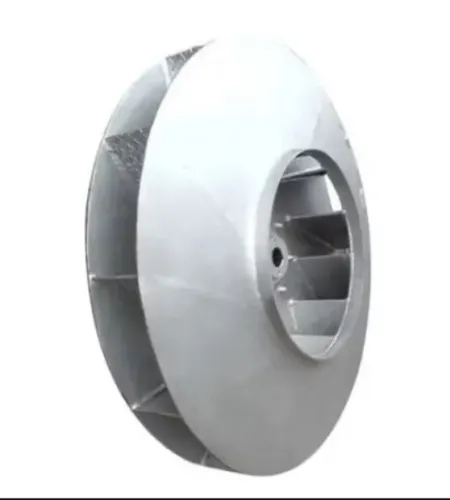
- Impeller construction
- Blade design
- Protective finishes
- Motor specifications
- Mounting arrangement
Material selection should correspond with the operating environment.
Evaluate More Than Motor Power
A larger motor does not automatically mean a better fan. Air volume, pressure requirement, fan efficiency, blade configuration, rotational speed, and system resistance all influence performance.
A capable Axial Flow Fan Manufacturer should therefore evaluate the intended application instead of recommending equipment solely by motor rating.
Consider Installation Conditions
Space limitations can influence fan configuration. Wall-mounted, duct-mounted, roof-related, or equipment-integrated installations may require different arrangements.
For factories and industrial units in Delhi and the wider regional manufacturing market, installation conditions should be discussed before fabrication or procurement.
Maintenance Access Is Equally Important
Industrial fans operate for long hours in many facilities. Bearings, motors, blades, mounting points, and electrical connections should remain accessible for routine inspection.
Accumulated dust should also be monitored because it can affect fan performance and balance over time.
R K Industries Delhi manufactures industrial air-moving equipment for different ventilation and process requirements. Buyers comparing manufacturers can benefit from sharing airflow requirements, operating conditions, installation dimensions, and application details before requesting a final specification.
Choosing an Axial Flow Fan Manufacturer based on application engineering rather than price alone helps create a ventilation system that is better aligned with actual facility requirements.
Keywords