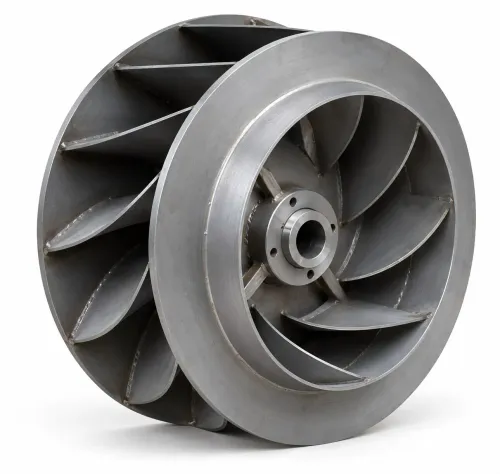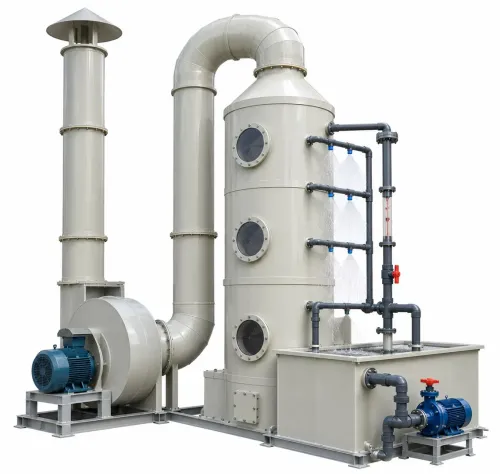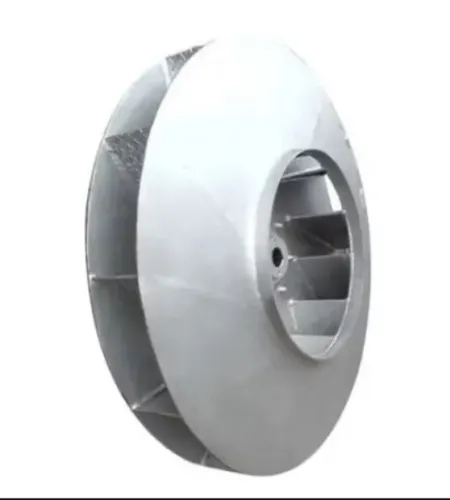
A twin-lobe Roots blower moves a continuous, high volume of air at modest pressure, while an air compressor produces stored air at several bar for tools, actuators and process equipment. By comparing the warehouse duty, operating point, Delhi conditions and installation costs, you can choose the right machine—or determine that a fan is the better answer.
Key takeaways
- Choose a Roots blower for steady airflow at moderate pressure.
- Choose a compressor for high-pressure, intermittent air demand.
- Size airflow from warehouse volume, process demand and leakage.
- Specify performance at Delhi’s heat, dust and monsoon humidity.
Match the machine to the warehouse duty
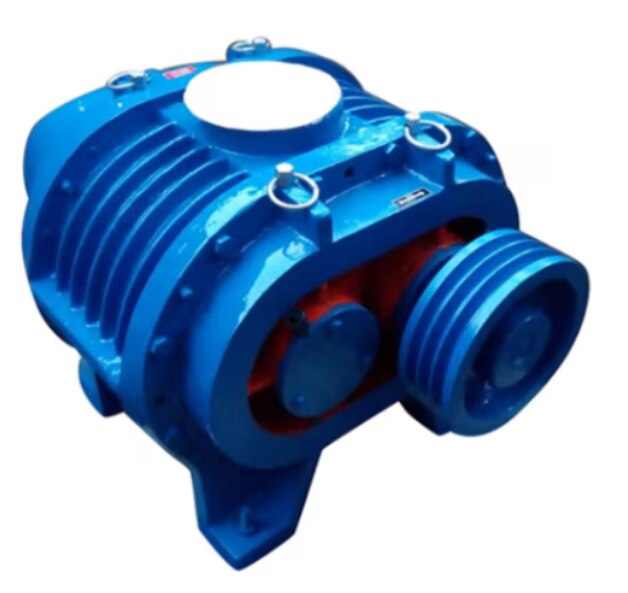
A twin-lobe Roots blower supplies continuous positive-displacement airflow: it moves a fairly steady volume against moderate resistance, but it does not store usable compressed air. An air compressor raises air to several bar, stores it in a receiver and releases it for intermittent demand.
The right roots blower or air compressor depends on the duty, not the nameplate.
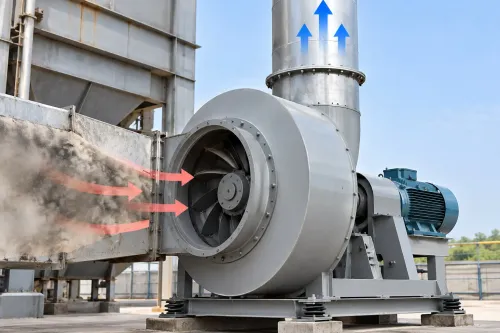
- Use a low-pressure axial or centrifugal ventilation fan for general air changes, destratification, air curtains and recirculation. Choose a centrifugal fan when duct, filter or louver resistance is high.
- Consider a twin-lobe Roots blower for continuous moderate-pressure duties such as pneumatic conveying, aeration, central vacuum or dedicated process exhaust.
- Choose a rotary screw or reciprocating compressor for pneumatic tools, actuators, pressure testing, cleaning equipment and intermittent stored-air demand.
| Option | Plain-language output | Suitable warehouse duty |
|---|---|---|
| Low-pressure fan | Moves large air volumes at low pressure | Ventilation, destratification and recirculation |
| Roots blower | Delivers continuous volume against moderate pressure | Conveying, aeration, central vacuum and process exhaust |
| Air compressor | Delivers high-pressure air for tools or storage | Tools, actuators, testing and cleaning |
A 7–10 bar(g) compressor cannot efficiently replace bulk warehouse ventilation: its pressure differential is roughly 700 times 1 kPa, so electrical energy is spent compressing air that the building only needs moved. Expanding it through nozzles produces a small induced-air stream, suited to spot cooling, conveying or ejectors, not full air changes.
“Blower for warehouse airflow” describes volume movement, not compressed-air service.
Compare the operating point, not the nameplate
Specify the operating point as airflow in m³/h, m³/s or CFM together with static pressure in Pa, kPa or mmWG. Add the pressure drops through duct, filter, louver, damper and silencer; duty cycle, allowable turndown, air-cleanliness requirement and, for compressors, receiver size. Motor horsepower, outlet diameter and receiver volume alone cannot support a fair choice.
A Roots blower’s delivered volume rises approximately with speed, but internal slip increases as differential pressure rises, reducing actual flow. Its published maximum pressure is therefore not its useful flow at the warehouse operating point. Check the loaded performance curve.
Use P = Q × Δp to expose the energy difference: 16.7 m³/s at 1 kPa equals about 16.7 kW of air power before losses. Seven bar is roughly 700 times that pressure differential, so a compressor is a poor substitute for bulk ventilation.
| Option | Energy and operating character | Noise, heat, maintenance and installation |
|---|---|---|
| Axial fan | Lowest-energy choice for high volume and low resistance | Low installation effort; limited pressure capability |
| Centrifugal fan | Better for duct and filter resistance | Moderate noise and maintenance; compact package |
| Twin-lobe blower | Continuous positive-displacement flow at moderate pressure; higher energy | Pulsation, noise and heat rejection; needs relief protection and supports |
| Rotary screw compressor | Efficient compressed-air supply for long loaded duty | High heat rejection; filtration, cooling and service required |
| Reciprocating compressor | Suits intermittent demand with receiver storage | Noisier, pulsating and maintenance-intensive |
This twin lobe blower comparison should also test variable-speed control against inlet throttling or bypassing. A roots blower or air compressor must meet the specified cleanliness level, not merely deliver the right volume.
Size warehouse airflow from the building and process
Calculate design airflow as floor area × clear ceiling height × target air changes per hour. A 2,000 m² warehouse with a 10 m ceiling at 4 ACH requires 80,000 m³/h. Set that basis against occupancy, heat load, forklift traffic, process emissions, stored materials and the required air-change rate.
Then check distribution, not just volume. Short-circuiting between supply and exhaust, stagnant rack aisles, high-level heat stratification and poorly placed destratification fans can leave breathing zones under-ventilated. Map terminals against racks, doors and pollutant sources, then verify air movement at worker height.
For dust, fumes and vehicle exhaust, use this order:
- Capture emissions at the source.
- Add correctly located general exhaust.
- Provide filtered make-up air.
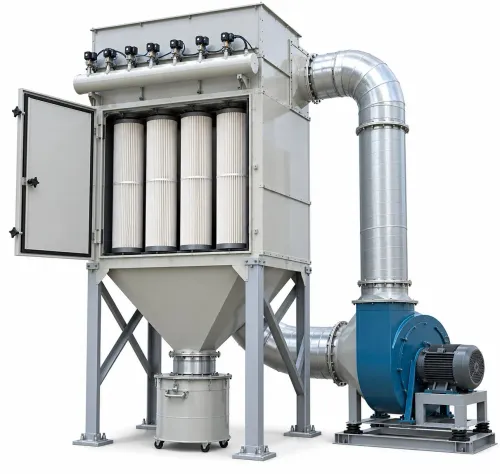
A high-volume blower moving unfiltered air can redistribute settled particulate instead of removing it. That is not pollution control.
| Option | Best fit | Main limitation |
|---|---|---|
| Axial or exhaust fan | General air changes, heat removal and destratification at low resistance | Poor choice for high duct pressure |
| Centrifugal fan | Ducted exhaust with substantial filter, louver or silencer resistance | Higher cost and power than a simple axial fan |
| Twin-lobe blower | Continuous moderate-pressure conveying, aeration, vacuum or dedicated process exhaust | Excessive cost, noise and energy for ordinary circulation |
A twin lobe blower comparison must include duty hours, noise limits, air cleanliness and redundancy. Select a blower for warehouse airflow only when the pressure-duty curve justifies positive displacement; otherwise use a fan. Specify standby capacity where one failure stops ventilation, and check that destratification does not push contaminants into breathing zones.
Account for Delhi heat, dust, pollution and monsoon air
Summer inlet air raises motor, bearing and discharge-air temperatures, so specify the maximum design ambient, motor derating or enclosure, bearing temperature limit and equipment-room ventilation rate. A blower for warehouse airflow that works at 25°C can trip or lose service life at Delhi’s hotter design condition.
| Site condition | Specification change | Operating risk |
|---|---|---|
| Summer heat | State inlet temperature, maximum design ambient, motor heat rejection and room ventilation | Thermal trips, bearing damage and hotter discharge air |
| Winter dust and pollution | Use an ISO 16890 ePM10 inlet prefilter; specify 150 Pa maximum clean and 300 Pa dirty pressure drop | Reduced flow, rotor wear and contaminated ducts |
| Monsoon humidity | Use corrosion-resistant parts, drainable low points and insulated surfaces; coordinate air-washing and filtration | Condensation, corrosion and microbial growth |
| Outdoor-air systems | Control filtered make-up air with dampers and interlocks | Uncontrolled humid or polluted infiltration |
Put filter access on the clean side, provide a visible differential-pressure gauge, and state replacement from the service face without dismantling ductwork. Define the worker-exposure or product-contact cleanliness standard separately: “oil-free” means no injected oil in the compression chamber, not particle-free air. Inlet dust, wear particles, silencer debris and downstream contamination still need filtration.
A twin-lobe blower comparison must include a relief valve, discharge pressure protection, non-return protection, inlet filtration, discharge silencer, flexible connectors, structural supports and a pulsation attenuator where needed. A closed discharge valve is not a pressure-control device; positive displacement will continue forcing air into the blockage.
Build a procurement specification that supports a fair decision
Request a loaded operating curve, not free-air catalogue flow. Your specification should state m³/h at the required pressure, Delhi design inlet temperature and pressure, clean and dirty filter conditions, test tolerance, minimum turndown, sound power or sound-pressure limit, motor efficiency class, speed range, heat rejection and service clearances.
Ask for AMCA-certified fan or blower test data where applicable.
- State the duty hours, warehouse schedule, redundancy, air cleanliness, duct and filter pressure drops, and maximum design ambient.
- Require lifecycle energy, maintenance access, replacement intervals, noise treatment, commissioning measurements and a written operating-point guarantee.
- Compare variable-speed control, inlet throttling and bypassing against actual demand. Discharge throttling is not inherently efficient, and a positive-displacement blower must remain within its speed, pressure and temperature envelope.
| Option | Strength | Procurement question |
|---|---|---|
| Axial or centrifugal fan | Efficient warehouse ventilation at fan-range pressure | Is the required duty only hundreds of pascals? |
| Twin-lobe Roots blower | Continuous moderate-pressure flow | Are conveying, aeration, central vacuum or process exhaust duties continuous? |
| Rotary screw or reciprocating compressor | Stored compressed air for tools and actuators | Do intermittent loads justify receiver capacity and compressor heat rejection? |
For a fair “twin lobe roots blower vs air compressor in delhi” decision, compare loaded performance, noise, heat and maintenance—not horsepower or receiver size.
If the schedule needs continuous moderate-pressure air, ask R K Industries Delhi for a Roots-blower proposal, while requiring evidence that an axial fan, centrifugal fan or compressor is not the better fit. Label the envelope limits and protect the blower with relief and pressure controls.
Related products
 | Industrial Blower Experience unmatched reliability with our Twin Lobe Roots Blower, designed for superior air compression in various industrial applications. View product → |
 | Industrial Blower Industrial Twin Lobe Roots Blower Introducing our Industrial Twin Lobe Roots Blower, engineered for superior air compression in diverse applications. View product → |
Frequently asked questions
When should a Delhi warehouse choose a twin-lobe Roots blower?
Choose a twin-lobe Roots blower when the duty needs continuous, fairly steady airflow against moderate resistance, such as ventilation, air movement or process aeration.
When is an air compressor the better choice?
Choose an air compressor when equipment needs air at several bar, intermittent bursts, stored capacity in a receiver or precise pneumatic-tool operation.
Why should you compare the operating point instead of the nameplate?
Compare delivered airflow at the required pressure, motor power, inlet conditions, noise and duty cycle. A larger nameplate does not prove that a machine meets your actual warehouse demand.
How do you size a blower for warehouse airflow?
Calculate the required air changes from warehouse volume, add process exhaust and make-up air, then account for leakage, filters, ducts, dampers and pressure losses.
Which Delhi conditions belong in the equipment specification?
State the design temperature, dust load, pollution exposure, monsoon humidity, inlet filtration, corrosion protection, enclosure rating and performance conditions for testing.
Keywords