A quoted blower package can mean a ready-to-run skid, a bare blower with a motor, or a machine with key valves and instruments left for you to source. By the end, you will know how to audit the bill of materials, compare twin lobe blower specifications, verify installation and utility requirements, and identify the true delivered cost.
Key takeaways
- Ask for the complete bill of materials, including relief valve and non-return valve.
- Match blower capacity to airflow, pressure or vacuum duty at operating conditions.
- Demand separate safeguards for pressure service and vacuum service.
- Compare Delhi quotations by scope, commissioning, utilities and warranty—not price alone.
The standard package: what should be on the bill of materials
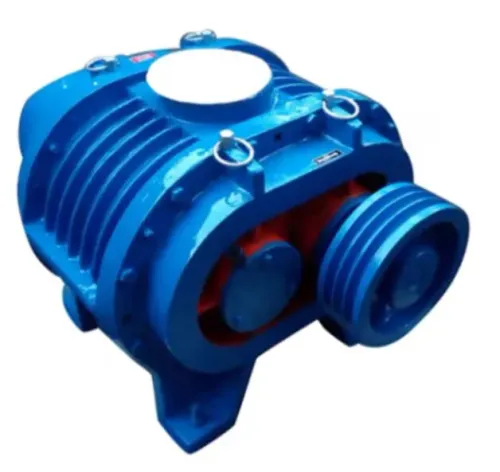
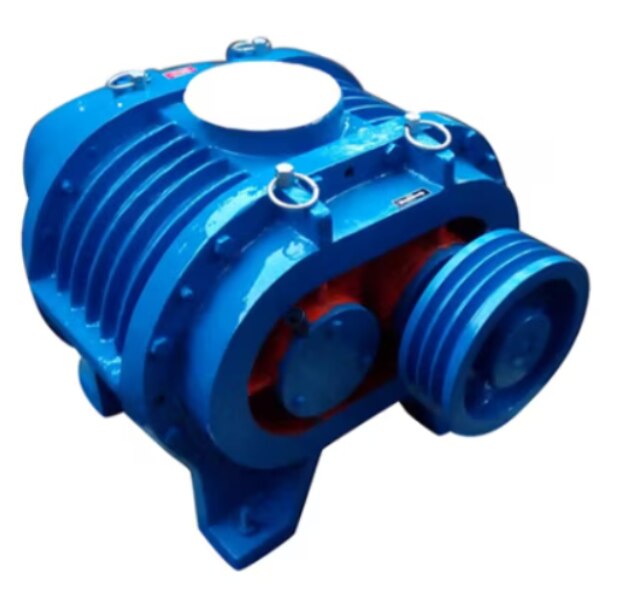
A complete twin-lobe Roots blower package normally includes the blower assembly, electric motor, common base frame, belt drive or direct coupling, and a coupling or belt guard. The air-side scope usually includes an inlet filter-silencer, discharge silencer, pressure gauge, non-return valve and pressure-relief valve.
| Item | Normal package status | Confirm before ordering |
|---|---|---|
| Blower, motor and base frame | Included, often assembled | Motor rating, mounting and base material |
| Belt drive or coupling and guard | Included; guard may ship loose | Factory-fitted or loose, alignment responsibility |
| Inlet filter-silencer and discharge silencer | Commonly included | Connection sizes, filter rating and spare element |
| Pressure gauge, non-return valve and relief valve | Commonly included | Pressure range, set pressure and installation position |
| Control panel, flexible connectors and instruments | Frequently optional | Panel, cabling, switches, alarms and factory wiring |
| Acoustic enclosure, vacuum breaker and VFD | Usually excluded or application-specific | Noise target, vacuum duty and speed control |
| Lubricant and commissioning spares | Model-specific | Oil grade, fill quantity and first-change interval |
Request a line-by-line bill of materials stating whether each item is factory-fitted, supplied loose, installed by the supplier or excluded. Confirm inlet-filter differential-pressure indication for dusty air-washing service; a loaded filter reduces airflow and increases blower stress.
Use this checklist when comparing twin lobe Roots blower package details in Delhi, including the quoted scope for industrial Roots blower accessories: motor, panel, installation, freight, GST, commissioning and annual spares must appear separately.
Read the duty point, not just the model name
A package is suitable only when its guaranteed duty point matches your required flow and pressure or vacuum at actual inlet conditions. The key twin lobe blower specifications are not the model name or nominal m³/min alone: confirm flow, differential pressure, speed, motor load, temperature and noise together.
| Specification | What to confirm | Why it matters |
|---|---|---|
| Airflow | Delivered m³/min at the stated inlet temperature, elevation and pressure | Free-air or standard-inlet figures are not interchangeable with delivered flow in Delhi |
| Pressure or vacuum | Differential pressure in bar or kPa, or vacuum level in mbar or kPa | Pipe, filter and silencer losses determine the duty the blower must overcome |
| Speed and drive | Blower rpm, pulley ratio for belts, or coupling type for direct drive | Excessive speed raises heat, noise and bearing load |
| Motor and transmission | Motor kW, efficiency class, gas density and transmission losses | Do not size the motor from maximum theoretical displacement |
| Temperature and sound | Discharge temperature and sound level at the guaranteed duty | High temperature signals overload; twin-lobe profiles can produce strong tonal noise |
| Inlet filtration | Filter pressure-drop indicator or a defined replacement limit | Dust loading restricts inlet flow and pushes the blower toward a harsher operating point |
Ask for the guaranteed performance point, maximum differential pressure, vibration limit and test certificate. Specify a discharge silencer, inlet filter-silencer, flexible connectors and isolation mounts for the actual flow and pressure drop, not as universal fittings. Confirm oil grade, fill quantity and first-change interval separately; supplied oil does not mean indefinite service.
Pressure service and vacuum service need different safeguards
A positive-pressure package must be selected for delivered airflow at the required discharge pressure, including pipe friction, bends, silencers, filters and elevation.
A vacuum package must be selected for airflow at the required inlet vacuum, with the receiver volume, suction piping and allowable vacuum stated separately; a pressure-rated blower is not automatically suitable for vacuum duty.
- Put these twin lobe blower specifications on the duty sheet: actual inlet flow, differential pressure or vacuum, blower speed, motor rating, inlet temperature, elevation, discharge temperature, sound level and transmission type. Reject a selection based only on nominal m³/min; free-air figures do not equal delivered flow at Delhi ambient conditions.
- Add leakage from valves, joints and consumers, then state the future capacity allowance as a separate design figure. Excessive reserve raises power, temperature and noise because a Roots blower transports nearly the same volume per revolution while system resistance increases differential pressure.
- Specify an inlet filter with differential-pressure indication or a replacement limit. Dust loading restricts suction, cuts capacity and increases operating severity.
- For pressure service, require a pressure-relief valve and non-return valve sized for the actual flow. For vacuum service, add a vacuum breaker or vacuum-relief device.
- Protect against blocked discharge, closed isolation valves and reverse flow with relief devices, check-valve verification and shutdown interlocks. Industrial roots blower accessories such as silencers, flexible connectors, temperature switches and vibration switches must match the stated flow and pressure drop, not be treated as universal fittings.
Layout, utilities and commissioning checks before startup
A rigid, level foundation prevents casing distortion and alignment loss. Anchor the base frame to concrete, grout uneven gaps, and leave access for oil changes, belt tensioning, filter removal and coupling inspection. Keep hot discharge air away from the motor inlet and provide room for lifting equipment.
1. Check the blower, motor and base frame for shipping damage. Confirm the shaft turns freely by hand, guards are fitted, and belt pulleys or the direct coupling are aligned. Set belt tension to the manufacturer’s value; direct-coupled shafts need measured angular and parallel alignment.
2. Support suction and discharge pipes independently. Fit flexible connectors without using them to correct misalignment, clean the pipe interiors, and verify that the inlet filter, silencer, isolation valves, relief valve and non-return valve match the airflow direction. A closed discharge valve or blocked filter can damage the blower within seconds.
3. Verify motor voltage, phase, starter or variable-frequency-drive settings, overload protection, earthing and cable size. Bump-start the motor briefly and confirm rotation against the arrow before running continuously.
4. Fill bearing and gear-end sumps with the specified oil grade and quantity. Do not assume shipping oil or compressor oil is suitable; record the first oil-change interval.
5. Confirm ventilation around the motor and blower, unobstructed cooling-air paths, and any required process cooling or condensate drainage.
6. Start unloaded, then open valves gradually. Record suction and discharge pressure, motor current, vibration, bearing temperature, noise and discharge temperature; stop immediately for reverse rotation, rapid heating, abnormal vibration or unstable pressure.
How to compare a Delhi quotation and supplier
Two quotes for a roots blower package price in delhi are comparable only after you place both on the same delivered-duty basis. Separate equipment, GST, freight, unloading, installation, foundation or skid work, electrical panel, cabling, commissioning, acoustic treatment and annual spares.
| Quotation item | Confirm in writing | Cost risk if excluded |
|---|---|---|
| Blower package | Model, speed, motor kW, base, drive, guards, filter, silencers, check valve, relief valve and gauges | A bare blower appears cheaper |
| Instrumentation | Filter differential-pressure indicator, temperature and vibration switches, pressure or vacuum gauges | Reliability monitoring becomes a later purchase |
| Testing | Guaranteed airflow and pressure, sound and vibration limits, test certificate and test standard | Capacity-only claims hide poor operating performance |
| Site work | Installation, alignment, piping connections, foundation, wiring and commissioning | Labour and civil costs move outside the quote |
| Ownership cost | Oil grade, fill quantity, first oil-change interval, warranty exclusions and recommended spares | Early maintenance becomes unplanned expenditure |
| Service | Response time, local technician availability and breakdown coverage | A low purchase price brings longer downtime |
Ask the roots blower supplier in delhi for one signed performance sheet at your actual duty point, including inlet temperature, pressure, altitude and filter restriction. Reject capacity-only offers; a smaller, faster blower can bring higher noise, heat and maintenance.
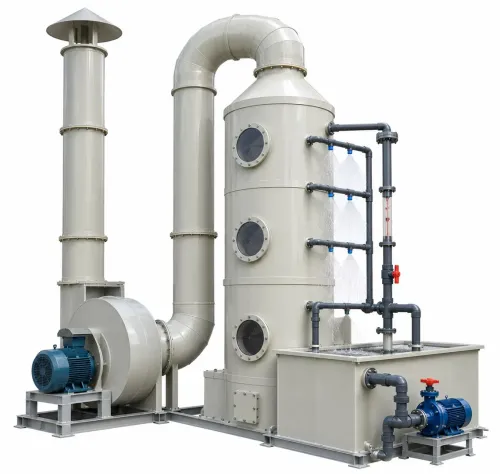
For dusty air-washing service, require a filter replacement criterion or differential-pressure alarm. Ask whether accessories arrive factory-fitted or loose, and whether the motor, panel and acoustic enclosure are included.
R K Industries Delhi can be assessed on the same evidence: model-specific test records, installation responsibility, spare-parts availability and a written service response—not catalogue claims.
Frequently asked questions
What should a twin lobe Roots blower package include?
The bill of materials should identify the blower, motor, base frame, belt drive or coupling, guard, inlet filter-silencer, discharge silencer, pressure gauge, non-return valve and pressure-relief valve.
Which twin lobe blower specifications matter most?
Check the duty point: required airflow, discharge pressure or vacuum, speed, motor power, gas temperature, altitude and operating conditions. The model name alone does not confirm suitability.
Do pressure and vacuum Roots blower packages use the same safeguards?
No. Pressure service needs discharge pressure protection and a non-return valve. Vacuum service needs protection against excessive inlet vacuum, suitable filtration and safeguards that match the suction system.
How should you compare a Roots blower quotation in Delhi?
Compare the equipment scope, accessories, motor and electrical details, delivery, installation, commissioning, testing, warranty and exclusions. A lower price can omit essential accessories or site work.
Keywords